
 Skip to content
Trip cost tool
Free RV Trip Fuel Cost Calculator (2026)
Estimate fuel, campground and fixed travel costs with the numbers for your own RV or tow vehicle.
Quick answer: fuel cost is round-trip miles divided by average MPG, multiplied by the fuel price you enter. Campground and fixed costs are then added to give a transparent planning total.
Free planning tool
Estimate your RV trip cost
Use your own rig, fuel and campground numbers. The calculation runs in your browser; Ticheka does not store the values you enter.
Estimated trip total
$295.00
Planning estimate only. Actual mileage, fuel prices, fees and road conditions vary. Confirm route restrictions and current campground fees with the official provider before travel.
How to get a useful estimate
- Use the full round-trip mileage, including likely local driving.
- Use real-world towing or loaded-RV MPG rather than the best dashboard reading.
- Add expected campground nights and the current rate shown by the official booking source.
- Keep a separate contingency for food, maintenance and unexpected route changes.
What this calculator does not include
The result is a planning estimate, not a quote. It does not automatically include food, propane, maintenance, insurance, depreciation, generator fuel or variable reservation fees unless you add them under fixed costs.
Check before you leave
Confirm park access, vehicle-length restrictions, seasonal road closures, reservation rules and current fees with the official park or campground. Our data methodology explains which sources we prioritize and how we label uncertainty.
The number that decides your estimate
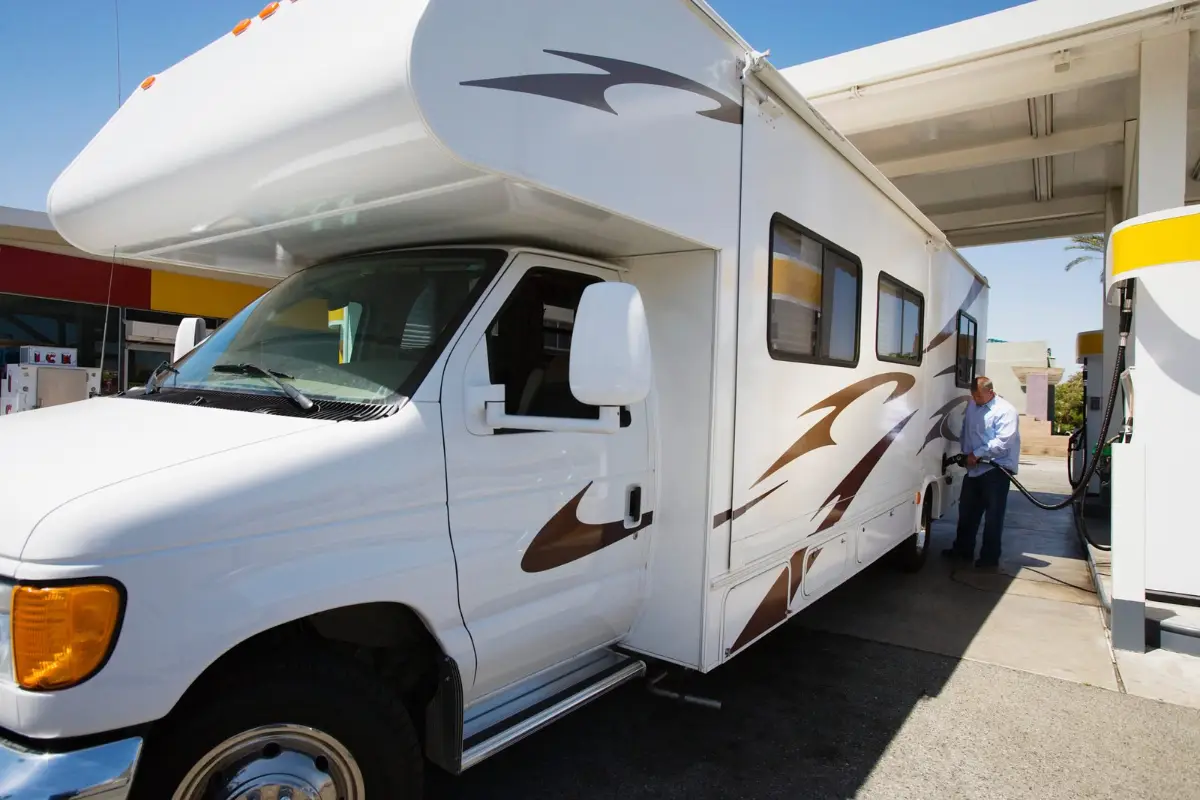
Every other input on this page is easy to get right. Distance comes from a map, fuel price comes from a sign, campground nights come from your booking. Fuel economy is the one people guess at, and it is the one that moves the total most — which is why an estimate that feels wrong is almost always an MPG problem rather than a fuel-price problem.
Do not use the manufacturer’s figure, and do not use the best number your dashboard has ever shown. Both describe an unloaded vehicle in conditions you will not be driving in. Use a figure you have measured yourself, loaded and hitched, on a route with the kind of terrain you actually cover.
Measuring it takes one trip. Fill the tank completely, reset the trip meter, drive the trip loaded exactly as you would travel, then fill completely again and divide the miles by the gallons it took. That single number is worth more than any published estimate, and it will usually be lower than you expect. If you have never measured, enter a deliberately pessimistic figure rather than an optimistic one — a budget that comes in under is a good surprise, and the reverse ruins a weekend.
You need both figures: fuel economy towing and not towing. If you tow, your economy hitched and unhitched are different vehicles’ worth of difference. Measure both. Then use the hitched figure for the approach and the unhitched figure for the driving you do once the trailer is parked, and add the two results together.
What moves fuel economy on a trip
Four things dominate, and only two of them are within your control on the day.
- Speed. Aerodynamic drag rises sharply with speed, and a large flat-fronted rig is mostly drag. This is the single biggest lever you have: reducing highway speed produces a bigger improvement on a rig than it ever does on a car, and it costs you far less time than people assume over a weekend distance.
- Elevation gained. Elevation moves the number more than distance does. A route that climbs a pass will consume noticeably more fuel than a longer, flatter alternative, and you do not get all of it back on the descent. When two routes are close in mileage, the flatter one is usually cheaper and easier on the vehicle.
- Weight and water. Fresh water is heavy, and carrying a full tank across a long approach when you are heading to a campground with water available is fuel spent for nothing. Fill closer to the destination where you sensibly can.
- Wind. A sustained headwind or crosswind can change a day’s consumption more than any driving technique will. It is worth checking the forecast for wind specifically, not just for rain.
Budgeting the costs this calculator leaves out
The tool estimates only what it can estimate reliably: fuel, campground nights and fixed costs you enter yourself. The remainder is real, and it is predictable enough to plan for.
| Cost | How to budget it | Why it is excluded |
|---|---|---|
| Park entrance | Add per vehicle, or zero if you hold an annual pass | Varies by park and by pass status |
| Propane | One refill per weekend in cool weather; less in summer | Depends entirely on heating and cooking habits |
| Dump and potable water | Often free at the campground; budget a small amount if you use a commercial station | Availability is site-specific |
| Food | Compare against what you would have spent at home, not against zero | Not a trip cost in the way fuel is |
| Maintenance reserve | Set aside a fixed amount per thousand miles towed | Averages out over a season, not over a weekend |
| Tolls and second vehicle | Enter under fixed costs if your route has them | Route-specific |
The maintenance reserve is the line most people skip and the one that makes a season’s budgeting accurate. Towing consumes tires, brakes and bearings on a schedule tied to miles, and treating that as a per-trip cost rather than an occasional shock is the difference between a budget that works and one that does not.
Reading the result properly
The estimate splits into three lines for a reason. Fuel is the variable you can influence through route and speed. Campgrounds are effectively fixed once you have booked. Fixed costs are whatever you chose to enter. When a total comes back higher than you wanted, the only line worth attacking is usually the first one — and the two effective moves are a flatter route or a nearer destination, not a cheaper campground.
It is also worth running the calculation twice: once for the destination you want, and once for a closer alternative. Seeing the two totals side by side turns “is it worth it?” into a question with a number attached, which is a far easier decision than an abstract one. Our weekend RV trip planning guide covers how to work out the realistic radius that should generate that second option.
Trip cost questions
What fuel economy should I enter if I have never measured mine? Enter a conservative figure and treat the result as a ceiling rather than a target, then measure properly on your next trip. A loaded, hitched rig is consistently thirstier than any published figure suggests.
Does driving slower really save enough to matter? On a large rig, yes. Drag dominates at highway speed and rises steeply, so a modest speed reduction produces a disproportionate saving. Over a weekend distance the time cost is small.
Should I include the driving I do once I arrive? Yes, in the round-trip distance — but if you will be unhitched, that mileage is running at your better economy figure. Calculating the two legs separately gives a noticeably more accurate answer.
Is a longer flat route really cheaper than a shorter climb? Frequently, and it is usually easier on the drivetrain and brakes as well. Compare them explicitly rather than assuming the shortest route wins.
Does the calculator store what I enter? No. The arithmetic runs in your browser and the values are not sent anywhere or saved.